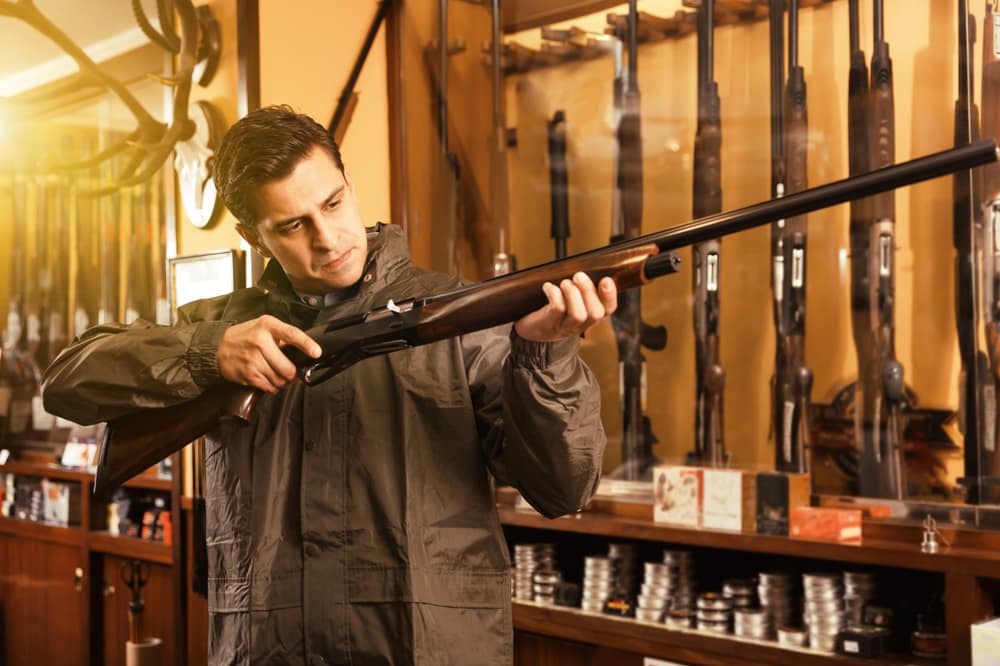
How to find an ffl dealer near you?

Find an FFL Dealer Near You

If you’re typing “FFL dealer near me” into Google, you’re simply looking for a licensed firearms dealer in your area who can legally handle the transfer of your firearm. This page is here to make that process easy.

Instead of jumping between random directories and maps, you can use the Black Aces Tactical Dealer Locator to quickly find a nearby FFL transfer dealer, gun shop, or sporting goods store that works with Black Aces Tactical products.

What Is an FFL Dealer?

An FFL dealer is a business or individual who holds a Federal Firearms License (FFL) issued by the Bureau of Alcohol, Tobacco, Firearms, and Explosives (ATF). That license allows them to sell, transfer, and in some cases manufacture firearms and ammunition under federal law.

When you buy a firearm from a store or have one shipped from an online retailer, that firearm usually has to go through an FFL dealer. At the dealer, you’ll complete the required ATF Form 4473 and go through a background check before you can take the firearm home.

How to Use the Black Aces Tactical Dealer Locator

The Black Aces Tactical Dealer Locator is designed to make finding an FFL dealer near you as simple and straightforward as possible.

Here’s how to use it:

  1. Open the dealer locator.
    Go to the Black Aces Tactical Dealer Locator.
  2. Allow location access (optional but fastest).
    If your browser asks to use your location and you’re comfortable with that, click “Allow.” The map will automatically show FFL dealers near you based on your current area.
  3. Search by city, state, or ZIP.
    If you don’t want to share your location, just type in your city, state, or ZIP code. The locator will show nearby FFL dealers that work with Black Aces Tactical products.
  4. Review the dealer info.
    For each dealer, you’ll typically see:

    • Store name
    • Address and map location
    • Phone number and, when available, website
    • Notes or additional details when provided
  5. Call the dealer before you buy.
    It’s always smart to call first and:

    • Confirm they are currently accepting firearm transfers
    • Ask about transfer fees
    • Verify any state or local requirements (permits, waiting periods, ID, etc.)
  6. Use the dealer for online firearm purchases.
    If you’re buying a firearm online:

    • Choose a local FFL dealer from the locator
    • Provide that dealer’s information to the seller, or select them from the seller’s list of FFLs
    • Have the firearm shipped to the FFL dealer, not your home
    • Complete your 4473 form and background check at the dealer when you pick up your firearm

Other Ways to Find an FFL Dealer Near You

The Black Aces Tactical dealer map is the easiest way to find a shop that already works with our products, but you can also cross-check other sources if you want more options.

Common ways to find local FFL dealers include:

  • ATF FFL listings: The ATF publishes official lists of Federal Firearms License holders by state. These lists are authoritative, but they can be large and not very user-friendly.
  • National FFL directories: Some websites maintain searchable databases of FFL dealers, allowing you to search by city or ZIP code and view shop details, hours, and sometimes reviews.
  • Local gun stores and sporting goods chains: Many gun shops, pawn shops, and big-box sporting goods stores operate as FFL dealers and can handle transfers, even if you purchased the firearm online.

Even if you find a dealer somewhere else, you can still check the Black Aces Tactical Dealer Locator to see if they appear in our network.

What to Look For in a Local FFL Dealer

Not every FFL dealer operates the same way, so it pays to do a little comparison before you send a firearm their way. When you’re evaluating “FFL dealers near me,” here are a few things to look at:

  • Transfer fees: Ask what they charge for standard firearm transfers and online purchases. Fees can vary widely from shop to shop.
  • Experience and product focus: Some dealers specialize in tactical shotguns and defensive firearms, while others focus on hunting or competition. If you’re buying a specific style of firearm, it helps to work with a shop that understands that segment.
  • Inventory and accessories: A good local FFL often carries ammo, magazines, cases, optics, and other accessories. It’s convenient to pick up what you need when you pick up your firearm.
  • Customer service: Look for dealers who communicate clearly, treat new owners with respect, and are willing to walk you through the transfer process if you’re new to it.
  • State and local compliance: Firearm laws vary by state and sometimes even by city. A reputable FFL dealer will help you stay within the law and explain any extra steps you need to take.

Quick Checklist Before You Visit an FFL Dealer

Before you head to a local FFL to pick up or transfer a firearm, run through this quick checklist:

  • Bring a valid government-issued photo ID that matches your current address or bring any required supporting documents.
  • Make sure you are legally allowed to possess firearms under federal, state, and local law.
  • Have any order confirmations or paperwork from your online purchase handy.
  • Call ahead to confirm transfer fees and payment methods.
  • Give yourself enough time at the counter to fill out ATF Form 4473 and complete the background check.

Important: This page is for general information only and is not legal advice. Firearms laws change often and vary by location. Always follow current federal, state, and local law, and talk to your FFL dealer or an attorney if you have specific legal questions.

FAQ: Finding an FFL Dealer Near You

How do I find an FFL dealer near me?

The simplest way is to use the Black Aces Tactical Dealer Locator. Enter your city or ZIP code, or allow your browser to use your location, and the map will show nearby FFL dealers along with their addresses and contact information.

Do I have to use an FFL to buy a gun online?

For most modern firearms, yes. Federal law generally requires online firearm purchases to be shipped to a licensed FFL dealer in your state. You’ll complete ATF Form 4473 and a background check at the dealer before taking the firearm home.

What information will my FFL dealer need from me?

At a minimum, you’ll need a valid government-issued photo ID and your current residential address. You’ll also provide personal information on ATF Form 4473. The dealer may ask for a phone number or email address to contact you when your firearm arrives.

How much does an FFL transfer usually cost?

Transfer fees are set by each individual dealer. Some charge a flat fee per firearm, while others may charge different rates for in-store purchases versus online transfers. Always call ahead and confirm the current transfer fee before you have a firearm shipped to them.

Can an FFL dealer ship a gun directly to my house?

In most cases, no. The firearm must be shipped to a licensed FFL dealer, where the transfer and background check are completed in person. There are limited exceptions under federal law, but your FFL dealer can explain what applies in your state.

Can I choose any FFL dealer from your locator to handle my transfer?

Generally, yes. You can select any dealer shown in the Black Aces Tactical Dealer Locator that is currently open and accepting transfers. Just be sure to call first to confirm they will handle your transfer, verify their fees, and ask about any state or local requirements you need to know about.

How To Buy & Sell Safely On Gunbroker.com

How to Buy and Sell Safely (and Profitably) on GunBroker — A Black Aces Tactical Guide

Buyers and sellers: this guide walks you through account setup, creating listings with screenshots, FFL transfers, fees, safety tips, and more.

Black Aces Tactical’s complete GunBroker guide for buyers and sellers.

Quick Overview: Why GunBroker Still Matters

GunBroker is the largest online auction marketplace dedicated to firearms and accessories. Whether you’re a first-time buyer or a seasoned dealer, it delivers massive reach and serious intent. That’s great news—but success here also means following platform rules and federal/state laws. This guide keeps you compliant, confident, and competitive.

Buyer Basics: What to Know Before You Bid

1) Understand listing types

  • Auctions: Ideal for rare/collectible items; bidding can drive higher prices.
  • Buy Now (Fixed Price): Best for common items or when you want immediate checkout.

2) Check seller reputation & FFL details

Review feedback, confirm the seller’s policies, and note where the firearm will ship. Firearms must be sent to a licensed FFL for transfer; you’ll complete the background check at your chosen dealer.

3) Use approved payment methods only

Follow the platform’s payment flow. Avoid off-platform or prohibited person-to-person apps for firearms transactions.

Buyer safety flow: choose listing → select local FFL → pay through platform → complete transfer paperwork at FFL.

Seller Basics: What to Know Before You List

1) Verify your account

New sellers complete an Extended Verification flow in the “Sell” area. It includes identity checks and, in some cases, a small nonrefundable verification fee.

2) Know the fees

Creating a basic listing is typically free; a final value fee applies when your item sells. Use the fee calculator for accurate projections, and consider whether upgrades make sense for visibility.

3) Follow legal & shipping rules

Firearms must ship to a licensed FFL. If you are not an FFL, bring the item to a local FFL to ship on your behalf and complete the transfer legally.

Seller setup: complete Extended Verification to enable selling features.gunbroker.com seller

Understanding GunBroker Seller Fees & Maximizing Your Profit

Before you list anything, it pays to understand how GunBroker seller fees work. You don’t want to find out after the sale that fees, shipping, and transfer costs have eaten up your profit. A little planning up front helps you price smarter and keep more money in your pocket.

Main types of GunBroker seller fees

  • Final value fee: This is the primary GunBroker seller fee and is calculated as a percentage of the final sale price. It’s only charged when your item actually sells.
  • Optional listing upgrades: Features like bold titles, highlighted listings, or homepage placement can add small fees. These upgrades can make sense for higher-ticket or time-sensitive items but aren’t required.
  • Payment and transfer-related costs: Your bank or payment processor may charge separate processing fees. You may also pay your local FFL to ship on your behalf if you’re not a dealer.

How to estimate GunBroker seller fees before you list

  • Use the official fee calculator in your GunBroker account to plug in your expected sale price.
  • Factor in shipping materials, insurance, and your FFL’s transfer/shipping fee if applicable.
  • Decide whether listing upgrades are worth the added cost for the specific firearm you’re selling.

When you understand the full picture of GunBroker seller fees, you can reverse-engineer your minimum acceptable price. Start with what you want to net after all costs, then work backward to set your starting bid, reserve (if used), or Buy Now price.

Simple profit checklist for sellers

  • Confirm final value fee and any upgrade fees.
  • Add estimated shipping and insurance.
  • Add FFL transfer/shipping costs if you’re using a dealer.
  • Compare your total costs against your planned sale price.

If the numbers don’t work, adjust your pricing or skip optional upgrades. This way, GunBroker seller fees become a predictable cost of doing business, not an unpleasant surprise after the auction ends.

Step-by-Step: How to Create a Seller Account on GunBroker

Step 1 — Create your account

  1. Go to GunBroker.com and click Sign Up.
  2. Enter your legal name, email, and mailing address exactly as requested.
  3. Verify your email to activate the account.
Sign-up screen: use your legal information and verify your email.

Step 2 — Enable selling & complete Extended Verification

  1. Log in and click Sell in the header.
  2. Follow the Extended Verification prompts to confirm your identity.
  3. Wait for a confirmation message indicating that you’re approved to sell.
Extended Verification: Complete the identity check flow to unlock selling.

Step 3 — Add billing & payout details

  1. Open My GunBroker → Account → Billing Info.
  2. Add your bank account for fees and payouts; look for small validation deposits.
  3. Return to confirm the deposit amount(s) when prompted.
Billing setup: add and validate your bank account for fees and payouts.

Step 4 — Dealers: upload your FFL (optional but recommended)

If you’re a licensed dealer, use the eFFL system to keep an FFL on file. Upload a signed, dated copy as requested to streamline transfers.

Dealers: upload your eFFL to speed up transfers and reduce friction.

Step-by-Step: How to List a Gun on GunBroker

Quick checklist before you list

  • Take 6–8 clear, well-lit photos against a plain background.
  • Gather details: brand, model, caliber, action, barrel length, finish, condition, serial (disclose per law/comfort), accessories.
  • Decide Auction vs Buy Now; set start price/reserve or fixed price.
  • Define shipping, FFL transfer notes, payment methods, inspection/return policy.

Create the listing

  1. Click Sell → Create Listing.
  2. Choose the correct category: Guns & Firearms → Handguns/Rifles/Shotguns.
  3. Add a descriptive title with brand + model + key specs (e.g., “Black Aces Tactical 12 Gauge — NIB — 18.5” Barrel”).
  4. Upload photos: full left/right, top, muzzle/crown, sights/rail, accessories, and a close-up of markings.
  5. Complete item specifics: condition, caliber, barrel length, finish, capacity, included extras.
  6. Set pricing and terms: auction start or Buy Now, reserve (optional), shipping to buyer’s FFL only, payment methods accepted.
  7. Preview and Publish.

Pricing & Presentation Tips That Sell

  • Photos sell: Consistent lighting and neutral backgrounds increase trust and click-throughs.
  • Keyword-rich titles: Include brand, model, caliber, condition keywords (NIB, Like New, Used), and notable features.
  • Full disclosure: Note imperfections up front to reduce disputes and returns.
  • Consider listing upgrades: Promoted placements can be worthwhile for premium or time-sensitive items.

How Buyers Can Safely Complete a Purchase

  1. Confirm the seller’s feedback and review item terms.
  2. Select a local FFL at checkout to receive the firearm.
  3. Pay using the platform’s approved methods; avoid off-platform requests.
  4. Track shipping and complete the transfer paperwork at your FFL.

Avoiding Scams & Common Pitfalls

  • Never ship to an individual when a firearm legally requires an FFL transfer.
  • Beware of anyone pushing prohibited payment apps or off-site messaging.
  • Keep records: receipts, tracking numbers, and important messages/screenshots.

Black Aces Tactical — Why Buy Our Listings on GunBroker

  • Strict inventory checks and accurate condition grading.
  • Fast shipping to the buyer’s chosen FFL with clear communication.
  • Transparent inspection/return policy for a no-surprises experience.

Browse Black Aces Tactical Listings on GunBroker

FAQ

Do I need an FFL to sell a firearm on GunBroker?

You don’t need an FFL to list, but modern firearms must be shipped to a licensed FFL for transfer. If you’re not an FFL, coordinate with a local dealer to handle shipment and paperwork.

How much does it cost to sell on GunBroker?

Basic listings are typically free until the item sells. When it does, a final value fee applies. Use the platform’s fee calculator for accurate estimates; volume sellers may qualify for discounted tiers.

How do I verify my GunBroker seller account?

Go to the Sell area and complete the Extended Verification identity check. Follow the prompts until you see confirmation that selling is enabled.

Can I use Zelle/Venmo/PayPal for firearms transactions?

Many person-to-person apps prohibit firearms transactions, and off-platform payments can violate marketplace rules. Use only the approved methods shown at checkout.

Sources & Further Reading

Disclaimer: Always follow federal, state, and local laws. Firearms sales must be transferred through a licensed FFL where required. This guide is for educational purposes and is not legal advice.